Currently Empty: $0.00
Online Education
Cybersecurity Basics Everyone Should Know in 2026
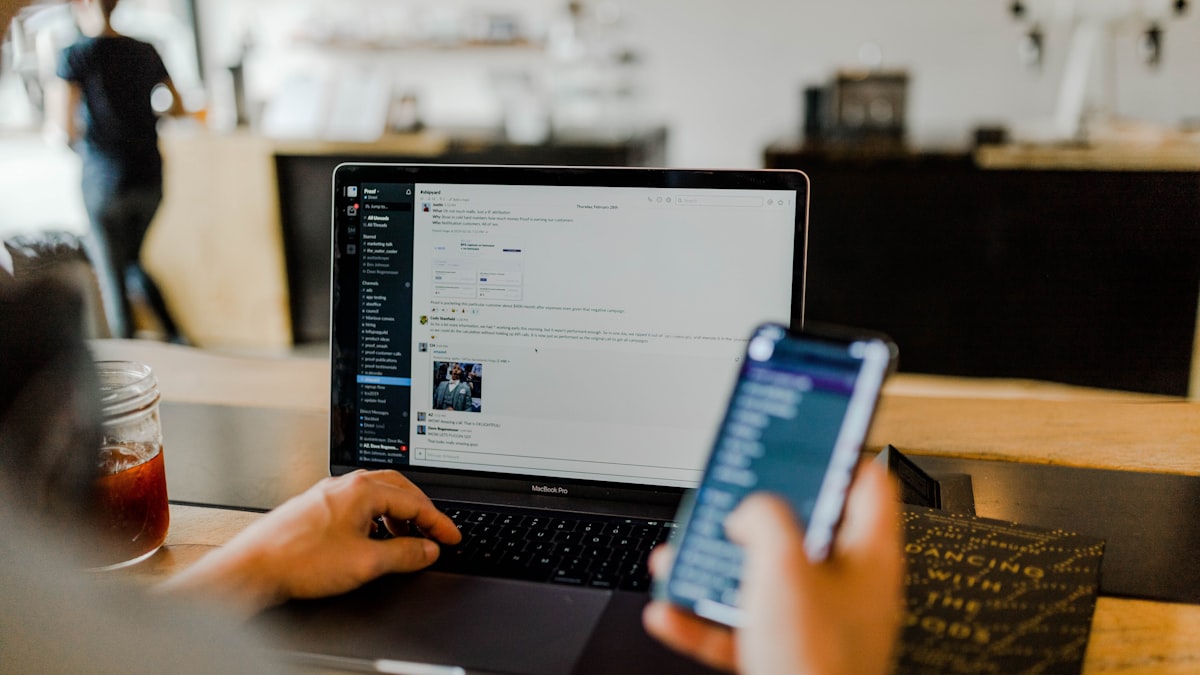
You do not need to work in IT to be a target. If you have a phone, a bank account, and an email address, you are already in the game — and most successful attacks today exploit people, not software. The defences below take one afternoon to set up and block the vast majority of common attacks.
Passwords: length beats cleverness
A password manager plus long, unique passwords per site is the single highest-value security upgrade available to a normal person. Reused passwords are how one leaked shopping site becomes a raided bank account. If you remember your passwords, they are too weak or too reused.
Turn on two-factor authentication everywhere that matters
Email first — because whoever controls your email can reset everything else — then banking, then social accounts. Prefer an authenticator app over SMS where possible. Two-factor authentication turns a stolen password from a catastrophe into a non-event.
Phishing: the pause is the defence
Modern phishing is polished — real logos, urgent language, links that look almost right. The tell is rarely visual; it is emotional. Urgency, fear, and reward pressure are the attacker’s tools. Any message that demands immediate action on an account should trigger one habit: close it, and log in through the app or address you already know.
Update the boring things
Those update reminders you postpone are mostly security patches for holes attackers already know about. Switch on automatic updates for your phone, browser, and computer, and you close doors silently for years.
Public Wi-Fi and the “verify by another channel” rule
Treat open Wi-Fi as a postcard: fine for reading news, wrong for banking. And adopt one professional habit at work: any unusual payment or data request — even from the “CEO” — gets verified by a second channel, like a phone call. That single rule has saved companies millions.
Want to go deeper — or turn security into a career? Start with Cybersecurity Fundamentals.